
Great medical devices are not invented in a flash of genius; they are developed through a disciplined, gated process that balances innovation against safety and regulation. Understanding the medical device development process, from unmet need to post-market monitoring, is essential for anyone who builds, regulates, or manages these products.
Stage 1 — Concept and feasibility
Everything starts with a clearly defined clinical need, often spotted by observing procedures, talking to clinicians, or analyzing adverse-event data. Teams then run feasibility studies to test whether the idea is technically viable, commercially sensible, and regulable, and to sketch the likely regulatory pathway before investing heavily.
Stage 2 — Design and prototyping
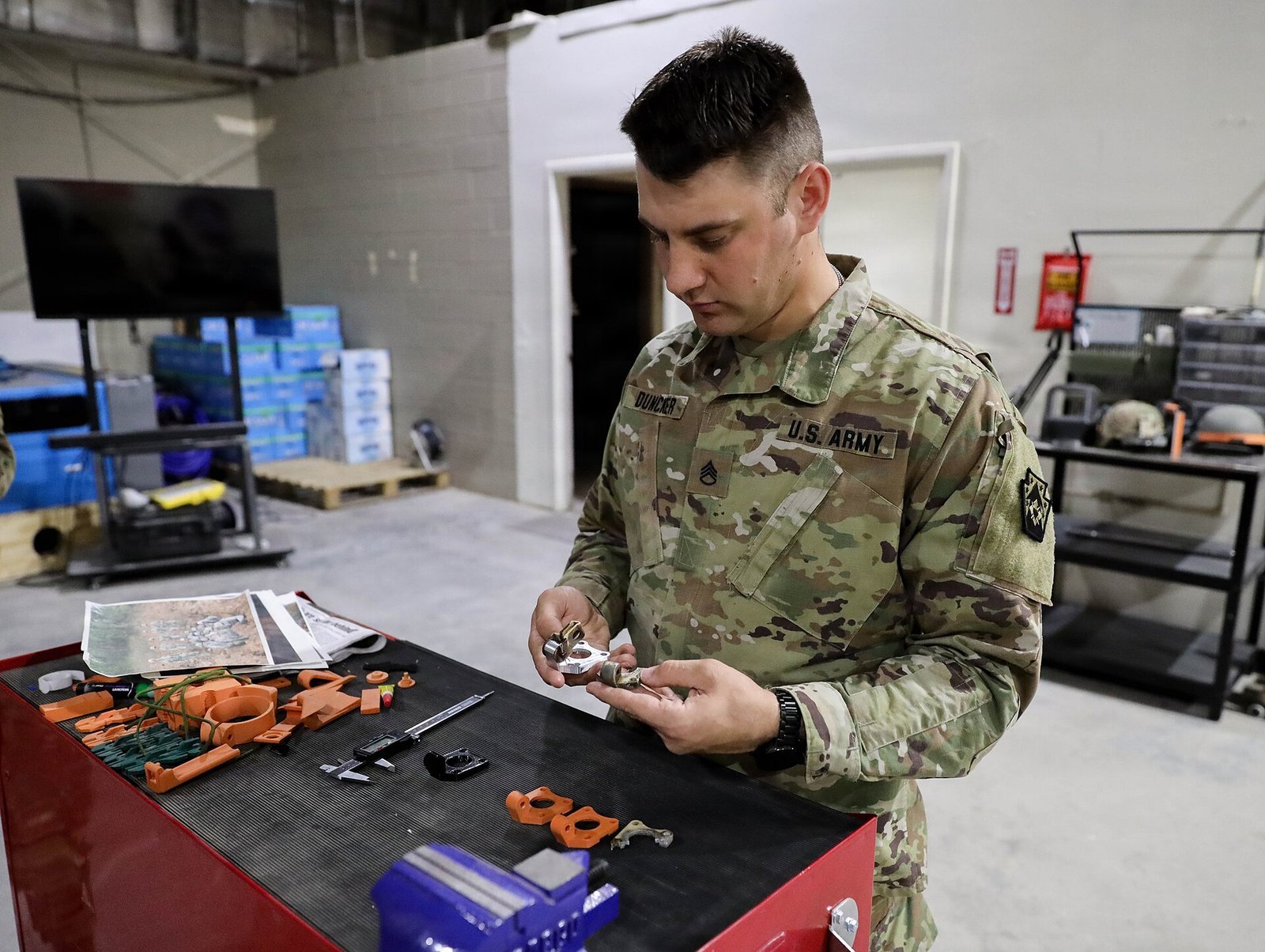
Next, the concept becomes something you can hold. Prototypes are built and put through iterative lab (and, where needed, animal) testing that simulates real-world conditions. Each round of feedback refines the design, a continuous-improvement loop that is far cheaper to run on a prototype than on a finished product.
Stage 3 — Verification and validation
With the design maturing, formal verification and validation confirm that the device meets both its technical specifications and the user’s real needs. Regulatory and reimbursement work runs in parallel here, so that evidence is being assembled for the submission rather than scrambled together at the end.
Stage 4 — Regulatory approval and manufacturing readiness
The finalized design, the Device Master Record, is transferred to manufacturing, where process validation proves the production line can make the device reliably and repeatably. At the same time, the company submits its documentation, a 510(k), PMA, or EU technical file, and works toward clearance or approval to market.
Stage 5 — Launch and post-market surveillance
Approval is a milestone, not the finish line. Once production and launch begin, the manufacturer actively monitors how the device performs in the field, tracking complaints, literature, and registries, feeding what it learns back into the product. Modern regulation treats the whole life cycle, not just the launch, as the manufacturer’s responsibility.
The framework that holds it together
Most organizations run this as a stage-gate process aligned with standards such as ISO 13485 and, for software, IEC 62304, with defined deliverables and decision points before each phase advances. That structure is what keeps creativity and compliance moving in the same direction.
Learn the development process end to end
Aleph University’s Medical Product Development Process course walks through each phase from concept to post-market, within a broader catalog of continuing-education courses in medical devices, regulatory affairs, and quality. It builds naturally on our guides to design controls and medical device testing.
Ready to learn how devices come to market? Request information and a custom quote for yourself or your team.