
How a Drug Gets Approved: IND, NDA, ANDA, and BLA Explained
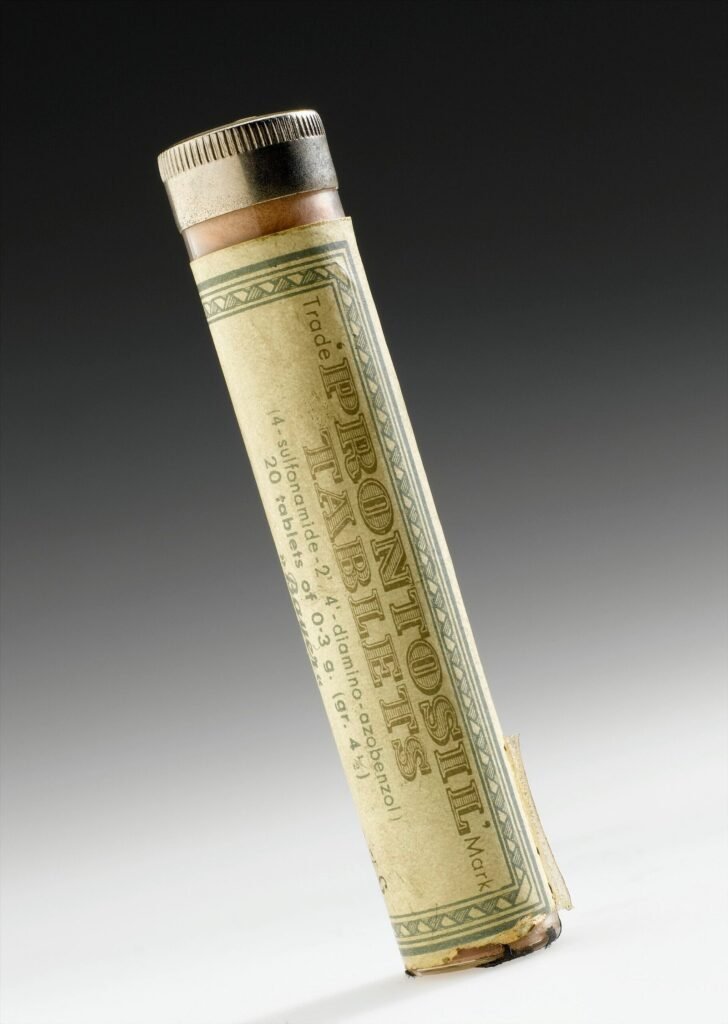
A clear guide to the FDA drug approval process: the IND, the three clinical trial phases, and how the NDA, ANDA, and BLA applications differ.
Medical Imaging Systems Explained: X-ray, CT, MRI, and Ultrasound

How the main medical imaging systems work and differ: X-ray, CT, MRI, and ultrasound, their clinical uses, trade-offs, and why they are regulated devices.
Medical Device Labeling: UDI, IFU, and the Rules That Matter
A practical guide to medical device labeling: what counts as labeling, how the UDI system works, paper vs. electronic IFU, and key FDA and EU MDR requirements.
ISO 13485 and the FDA QMSR: Quality Management for Medical Devices

What the ISO 13485 quality management system requires, how it differs from ISO 9001, and why the FDA QMSR made it central to U.S. medical device compliance in 2026.
Design Controls for Medical Devices: What 21 CFR 820.30 Requires
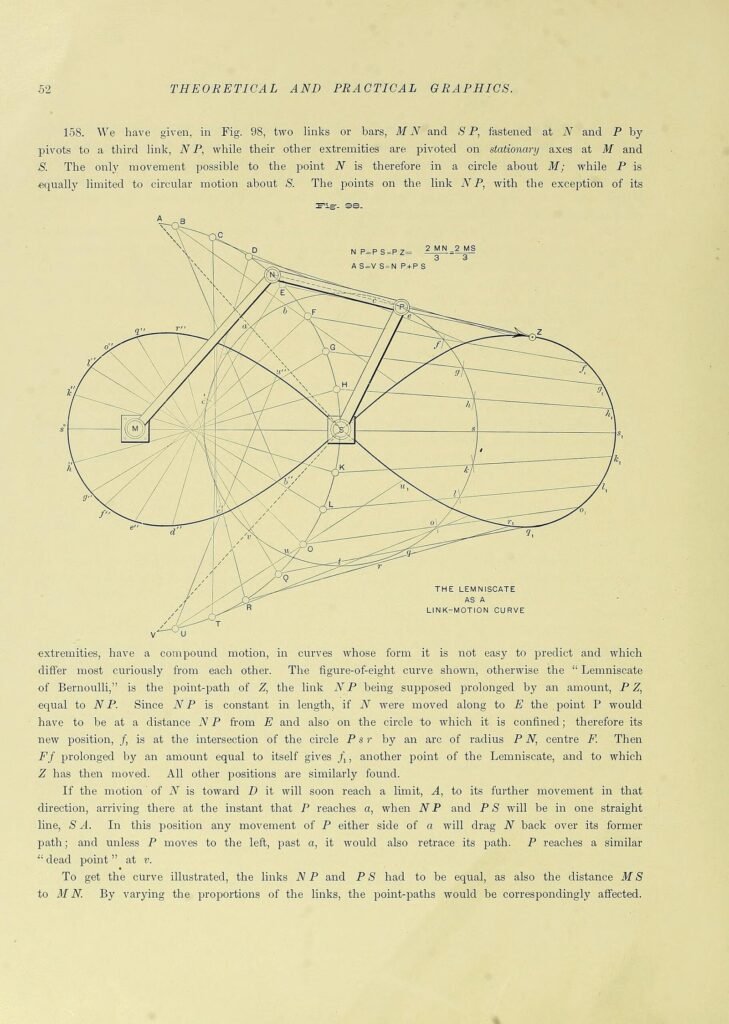
A clear introduction to design controls for medical devices: the elements of 21 CFR 820.30, verification vs. validation, the Design History File, and the 2026 QMSR change.
ISO 14971 Explained: Risk Management for Medical Devices

A practical introduction to ISO 14971 risk management for medical devices: the lifecycle process, why it is not the same as FMEA, and the role of benefit-risk analysis.
510(k), De Novo, or PMA? FDA Medical Device Pathways Explained
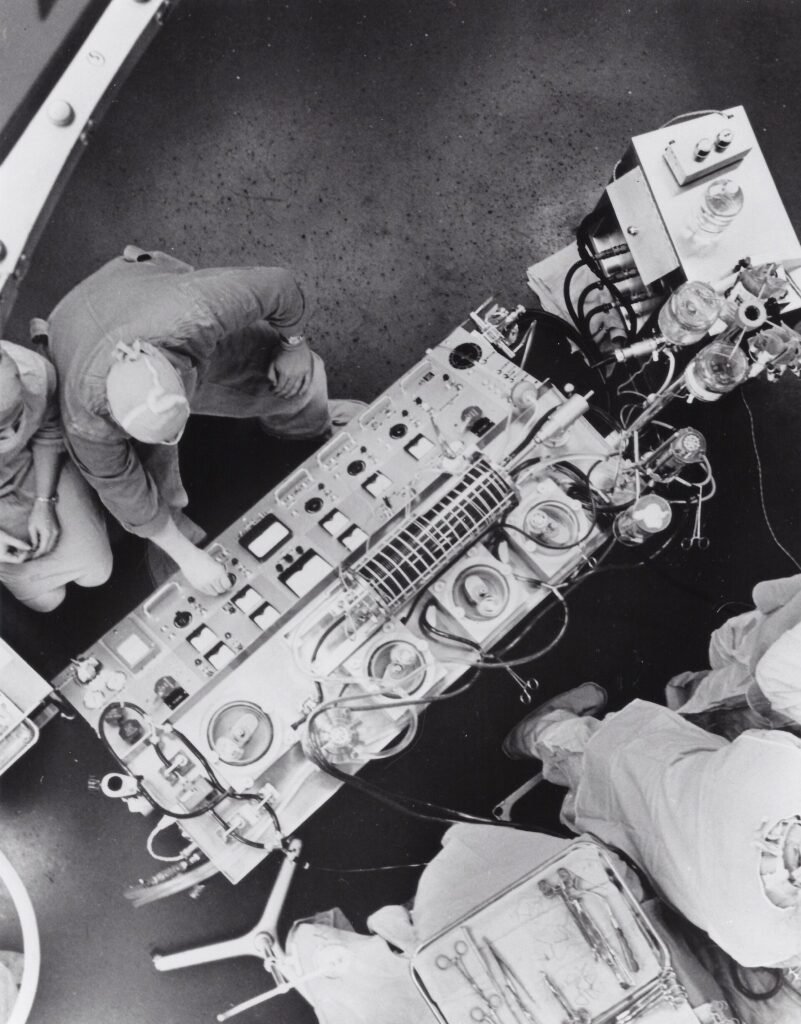
A clear guide to the FDA medical device pathways: how device class drives the choice between 510(k), De Novo, and PMA, and how to pick the right route.
Regulatory Affairs Careers: A Beginner’s Guide to FDA and EMA Compliance
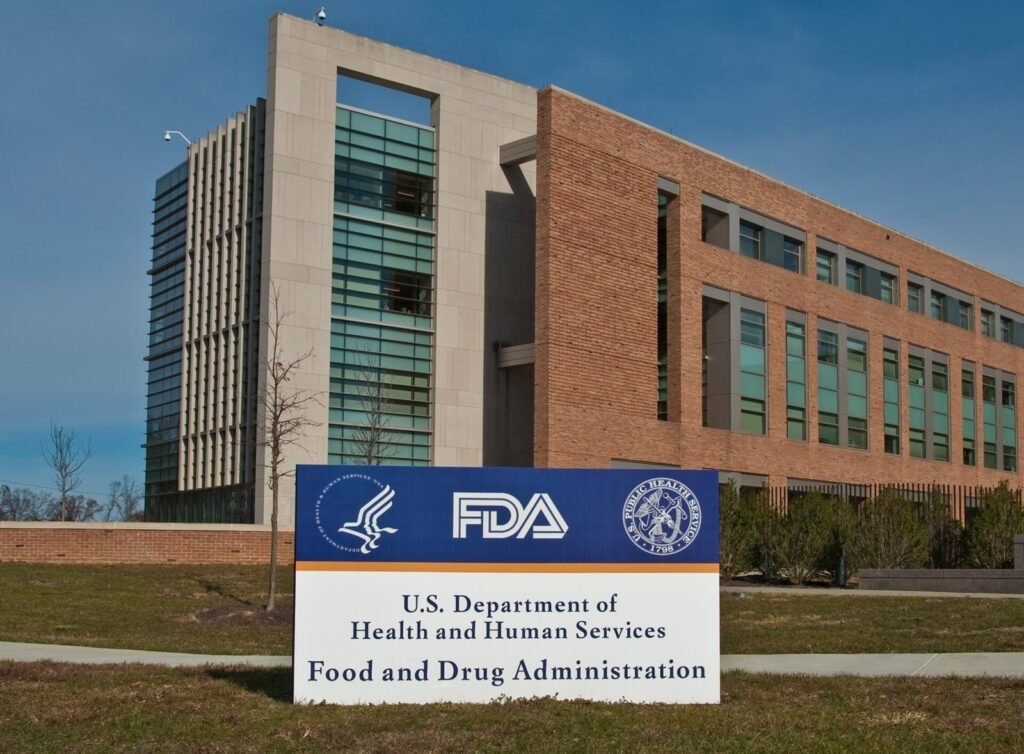
What a regulatory affairs career involves, why demand is rising, what the roles pay, and how to break into FDA and EMA compliance from another field.