AI in Medical Devices: The Regulatory Challenge Reshaping the Industry
September 18, 2026 2026-09-18 16:09AI in Medical Devices: The Regulatory Challenge Reshaping the Industry

Industry Insights · September 2026 · By the Aleph University Team · 7 min read
AI is no longer an emerging trend in medical devices. It is already inside them. And the entire architecture of regulatory approval was built on a premise that AI breaks: that the product approved is the same product that reaches the market.
When the device keeps learning after it reaches the market
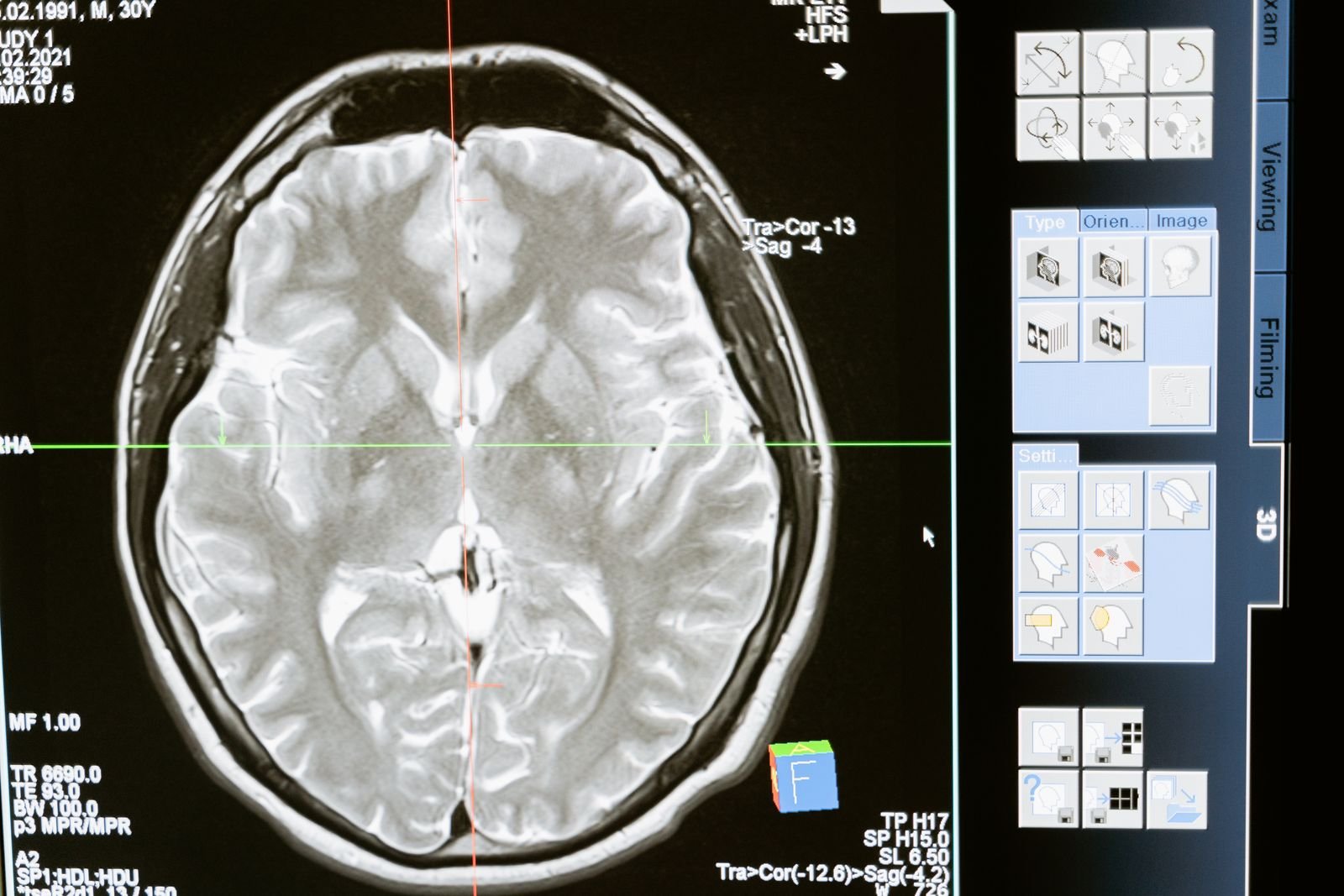
There are algorithms adjusting insulin doses in real time, software that catches early signs of disease in a radiology image before a human eye would, and diagnostic systems that sharpen their accuracy with every new case they process. This is not a projection. These are products reaching patients every day.
That last point is where traditional regulation starts to fall short. The 510(k), the PMA and the De Novo route were all designed to evaluate a stable product. A device that keeps learning after approval is, technically, a different device every time it updates. Regulators have spent years chasing a technology that does not hold still.

The regulatory questions AI raises
This shift is not a technical curiosity. It is generating real questions that regulatory teams, agencies and MedTech companies are working through right now:
- How do you approve an algorithm that keeps updating? A fixed model is straightforward to evaluate. A model that retrains on new patient data challenges the very idea of a stable, approvable version.
- What clinical evidence is enough for a system that keeps learning? Traditional trials assess a static product at one point in time. AI as a medical device calls for a framework built around continuous performance monitoring.
- Who is accountable when a model gets a clinical decision wrong? Liability questions get complicated fast when the software behaves differently today than it did six months ago.
What is already settled, and what is still open
The first of those questions now has a partial answer. The FDA finalized its guidance on Predetermined Change Control Plans (PCCPs), a mechanism where the manufacturer states up front, in the original submission, which modifications it plans to make to the model, the methodology it will use to develop and validate them, and the impact they would have on safety and effectiveness. If the agency accepts that plan, those changes can be implemented later without filing a new submission each time. It applies across all three routes: 510(k), De Novo and PMA.
In January 2025 the FDA went further and issued comprehensive draft guidance for AI-enabled device software functions, framing the problem around the total product lifecycle rather than the submission moment alone.
Europe looks different, and more demanding. The EU Artificial Intelligence Act classifies as high-risk any AI that is part of a product subject to third-party conformity assessment, which in practice covers Class IIa devices and above under the MDR and most in vitro diagnostics under the IVDR. Those obligations sit on top of the MDR rather than replacing it, and they start applying on December 2, 2027 for standalone high-risk AI systems and August 2, 2028 for AI embedded in products. A manufacturer selling into both markets has two distinct frameworks converging on the same product.
The other two questions remain open. There is still no single universal standard for how much clinical evidence is enough for a system that learns, or for how accountability is divided when one fails. That is being worked out case by case.
Why this is the biggest career opening of the next decade
Here is the part that matters most if you are building a career in regulatory affairs: unsettled regulation is where the biggest professional opportunities live.
The frameworks for artificial intelligence and software as a medical device are still actively being written at the FDA, the EMA and the European Commission. That means demand for professionals who understand both the technology and the regulatory language around it is growing faster than the supply of people qualified to fill those roles. Anyone who specializes now, while the rules are still being drafted, will hold an advantage for years. This is no longer a niche skill.

How to prepare to lead this transition
Leading in this space takes more than understanding the technology, and more than understanding the regulation. It takes both, combined with the business judgment to bring emerging health technology to market responsibly.
That intersection is what Aleph University’s Master of Science in Innovation and Entrepreneurship in Medical Technologies is built on. The program combines technological innovation with the business strategy and regulatory knowledge it takes to work in AI-driven MedTech, not from the sidelines, but as someone ready to lead it.
Want to learn more about the program? Request information and we will send you the curriculum and admissions details.