Aleph University and Biomedicampus Join Forces to Strengthen Clinical Engineering Training
September 8, 2026 2026-09-08 17:52Aleph University and Biomedicampus Join Forces to Strengthen Clinical Engineering Training
Industry Insights · September 2026 · By the Aleph University Team · 6 min read
Hospitals across Latin America have the equipment. What many of them do not have is enough trained people to install it, calibrate it and keep it running. A new agreement between Aleph University and Biomedicampus goes after that gap.
A partnership built around clinical engineering
Aleph University, a graduate institution licensed by the Florida Commission for Independent Education, has signed an academic and commercial collaboration agreement with Biomedicampus, a corporate virtual school specialized in technical training for the healthcare sector and operated by CJA Biomedical LLC.
The reason behind it is concrete. The Pan American Health Organization treats medical equipment management as one of the most important areas of any health system, and points to the shortage of properly trained personnel in Latin America as a direct cause of equipment that ends up underused, out of service or abandoned. PAHO also recognizes the effect that biomedical and clinical engineering units have on the quality of care, and pushes health systems in the region to build them.
The job market points the same way. In the United States, the Bureau of Labor Statistics projects employment of medical equipment repairers to grow 13 percent between 2025 and 2035, much faster than the average for all occupations, with about 8,200 openings a year and a median pay of $61,660. Most of those jobs ask for an associate degree or a certificate in biomedical technology.
What the partnership gives students
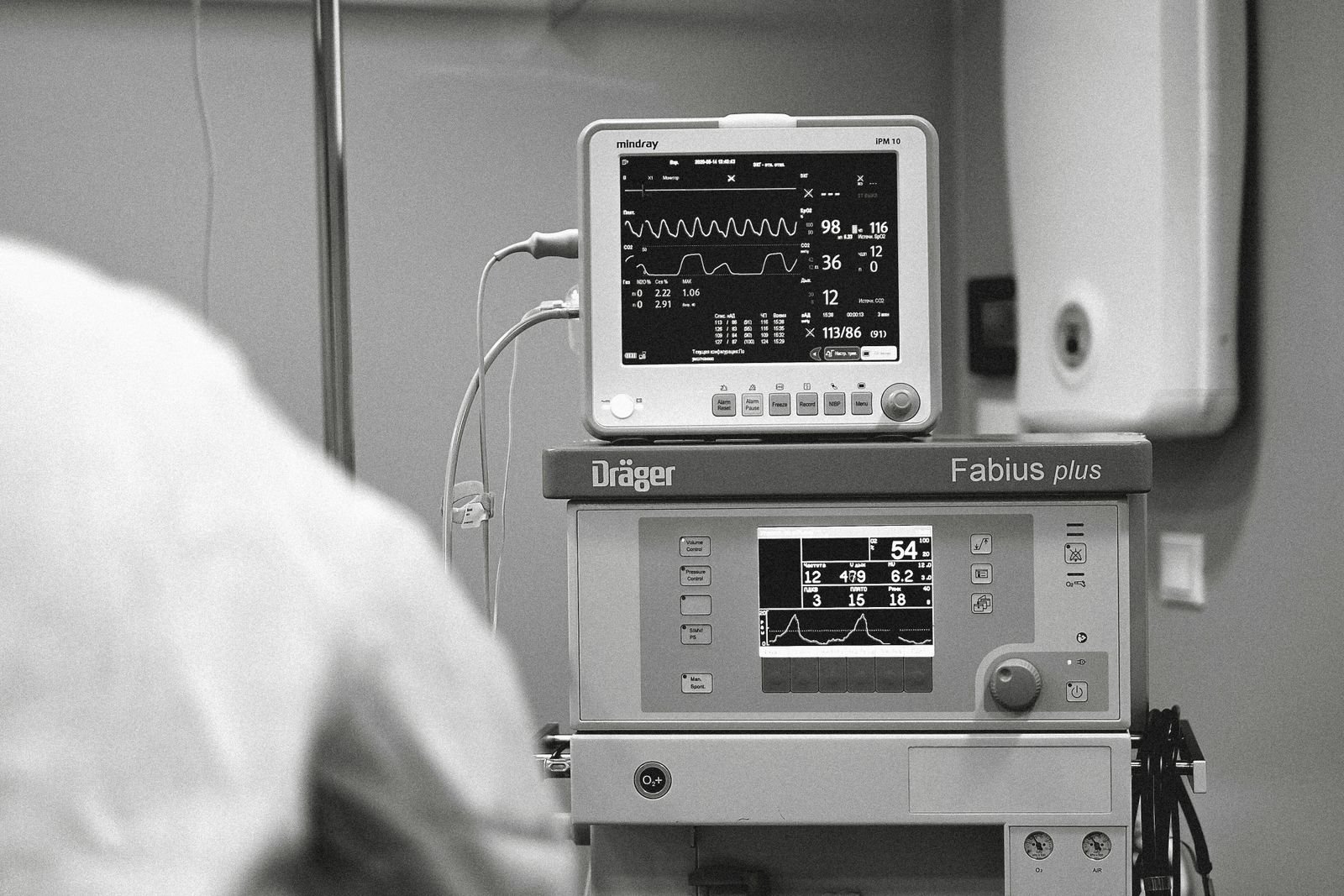
The agreement opens access to thirteen specialized courses in clinical engineering and medical technology, developed by Biomedicampus and distributed through Aleph University. They cover equipment that hospitals depend on every day:
- Pulmonary ventilator: installation, operation and maintenance of respiratory support equipment.
- Anesthesia machine: patient safety, preventive and corrective maintenance.
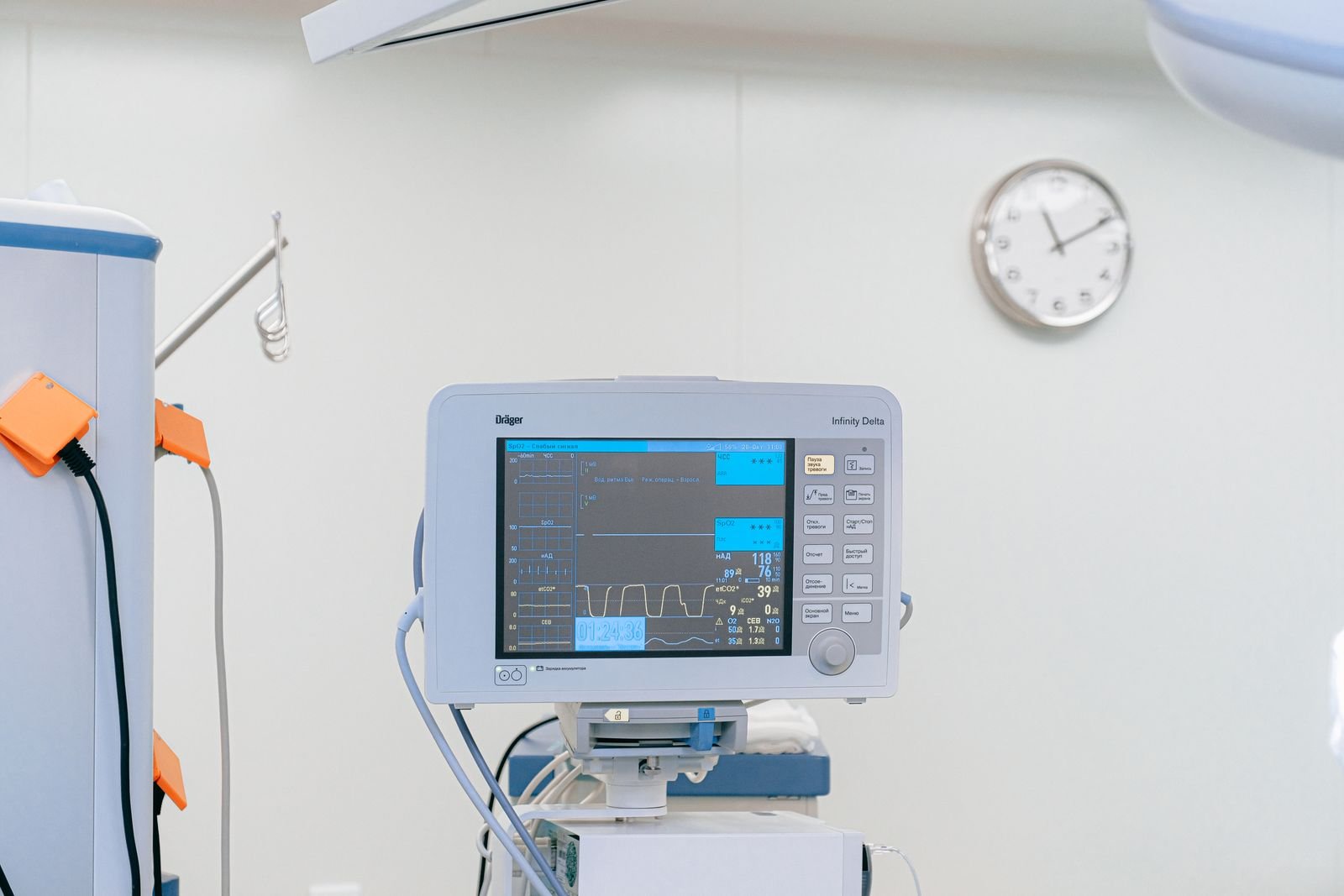
- Vital signs monitor and electrocardiograph: calibration, alarm settings and troubleshooting.
- Neonatal incubator and thermal crib: temperature and humidity control, and monitoring in neonatal care.
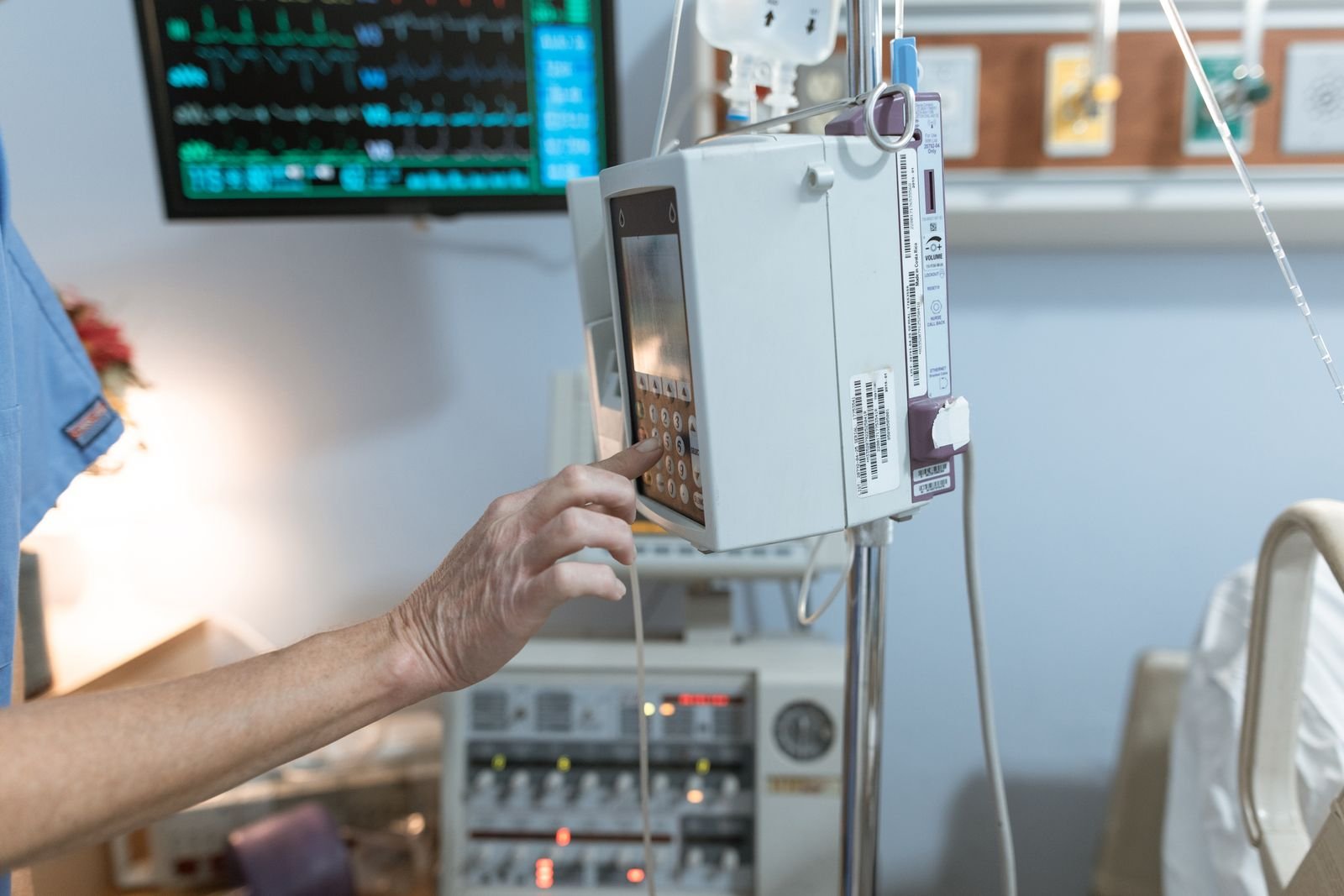
- Electrical safety, medical gas systems and defibrillators, among other critical equipment used in healthcare institutions.
Dual certification is the part that matters
Students who complete a Biomedicampus course earn the platform completion diploma and, on top of it, an institutional recognition certificate issued by Aleph University.
That second document is where the difference lies. Aleph University is a licensed educational institution, and it is the one providing the formal academic backing for these courses. A focused technical course turns into a credential with more professional weight behind it, which is what counts when a biomedical technician or a clinical engineer applies for a job at a hospital, a ministry of health or a service company.
What engineers and technicians get out of it
- Fully online and self-paced, with 24/7 access from any device.
- Content written for biomedical equipment, hospital maintenance and clinical engineering, not adapted from general technical courses.
- Single courses or bundles, depending on how deep you want to go.
- Two documents per course: the Biomedicampus diploma and institutional recognition from Aleph University.
- Student support handled by the Aleph University Student Services team.

Room to grow
Biomedicampus is not stopping at these courses. It also runs the Medical Academy, with more than thirty courses ready to go, and the Soft Skills and Competencies Academy, with more than one hundred fifty cross-industry courses. The agreement is a starting point, and the catalog available to the academic community can grow from there.
For Aleph University, the collaboration ties together two levels of the same field: graduate education in medical technologies and applied technical training, from the technician who keeps the equipment working to the specialist who defines the regulatory strategy behind it.
How to access the courses
The Biomedicampus courses are taught in Spanish and are listed on the Spanish version of this site. If you work in clinical engineering or medical technology and want the course list, hours and enrollment details, write to info@alephuniversity.us or request information through the form below.
Want the full course list and enrollment details? Request information and we will send them to you.